Should You Clip Your Bird’s Wings? Pros, Cons, and Safety Considerations
Should You Clip Your Bird’s Wings? Pros, Cons, and Safety Considerations
Parrot Wing clipping is one of the most debated topics in aviculture. Some bird owners choose to trim their bird’s flight feathers to reduce the risk of escape and help limit access to household hazards. Others believe that flight is essential for a bird’s physical exercise, natural behavior, and mental stimulation.
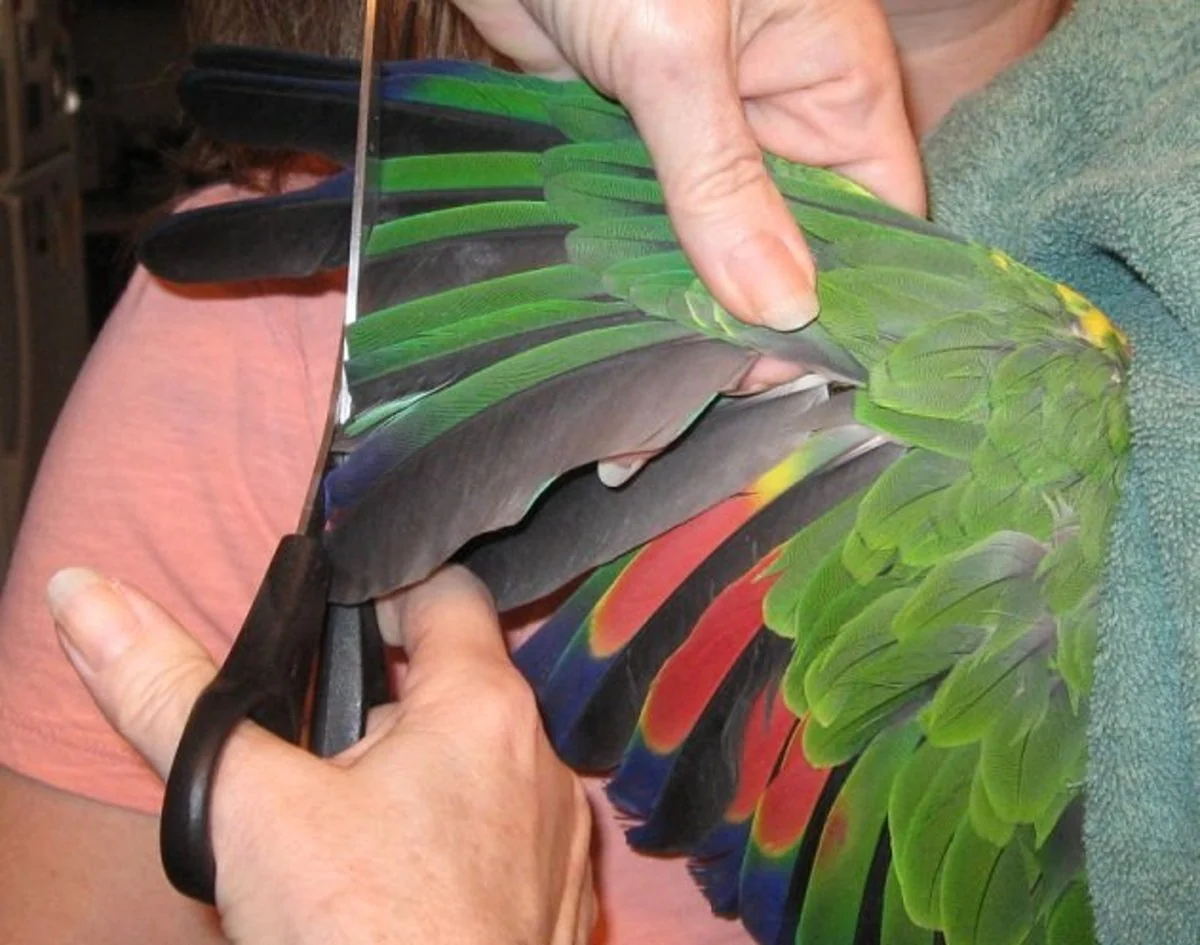
There is no single decision that is right for every bird or household. Before choosing whether to clip your bird’s wings, consider your bird’s individual needs, home environment, and lifestyle, and discuss the decision with an avian veterinarian.
Pros of bird Wing Clipping
Helps Reduce the Risk of Escape
One of the main reasons owners consider wing clipping is to reduce the chance of a pet bird flying through an open door or window. Domestic birds can become lost or injured if they accidentally escape outdoors.
Trimming the primary flight feathers can reduce a bird’s ability to achieve normal flight. However, wing clipping does not necessarily prevent every bird from flying, and the effectiveness can vary depending on the individual bird and how the feathers are trimmed. how to find a lost or escape parrot
Can Limit Access to Household Hazards
Homes contain many dangers that birds would not normally encounter in their natural environment. These can include:
- Windows and glass doors
- Ceiling fans
- Open doors
- Hot stoves and ovens
- Sinks and toilets
- Other household pets
- Other areas where a bird could become trapped or injured
Some owners believe that reducing flight ability can make it easier to manage these risks. However, bird-proofing your home and supervising your parrot remain important, whether your bird is flighted or clipped.
May Change the Bird-Owner Relationship
Some people believe that a bird with limited flight may become more dependent on its owner and develop a closer relationship. However, dependence should not be confused with trust or bonding.
A bird that cannot fly away may have fewer options when it feels uncomfortable or frightened. For this reason, owners should pay close attention to their bird’s body language and avoid forcing physical interaction.
Many flighted pet birds also develop strong, affectionate relationships with their human families.
Cons of parrot Wing Clipping
Flight Provides Exercise
Flight is a natural form of movement for birds and can provide valuable physical exercise. Restricting flight may reduce opportunities for activity, particularly if the bird does not have other ways to exercise.
A bird that receives insufficient exercise may also have a greater risk of becoming overweight. Providing climbing opportunities, toys, foraging activities, and supervised movement can help keep a bird active.
Flying Provides Mental Stimulation
For many birds, flying is more than transportation. It is part of their natural behavior and can be connected to exploration, foraging, play, and environmental interaction.
Some bird owners therefore prefer to allow their parrots to remain fully flighted while managing safety through supervision and proper home preparation.
Flight Can Be an Important Defense Mechanism
If you have cats or dogs in your household, consider how your bird would respond if another animal approached unexpectedly.
Flight can give a bird an important way to escape danger. A clipped bird may have fewer options for getting away from a predator or household pet.
If you have other animals, it is especially important to maintain safe separation and never rely on wing clipping as the primary method of protecting your bird.
Clipping May Not Be Appropriate for Every Bird
Every bird is different. Factors such as species, age, health, temperament, living environment, and previous flight experience can influence whether wing clipping is appropriate.
There is also no single clipping approach that works equally well for every bird. Improper trimming can cause problems, so owners should seek professional guidance before making changes to their bird’s flight feathers.
Parrot Wing Clipping vs. a Flighted Bird
The decision to clip or not clip should take into account both the potential benefits and disadvantages.
A clipped bird may have reduced flight ability, but this does not automatically make the home safe. A flighted bird can enjoy natural exercise and movement, but requires careful supervision and a bird-safe environment.
Regardless of your choice, consider practical safety measures such as:
- Keeping windows and doors secure
- Turning off ceiling fans when your bird is out
- Keeping birds away from hot cooking surfaces
- Supervising interactions with children and other pets
- Providing safe areas for exercise and exploration
- Teaching your bird reliable step-up and recall behaviors where appropriate
Should You Clip Your Bird’s Wings?
The decision should be based on your individual bird and household rather than a one-size-fits-all rule. Consider the potential benefits and drawbacks, and speak with an avian veterinarian who can assess your bird and discuss appropriate options.
If you decide that wing clipping is appropriate, avoid attempting it without proper instruction. A veterinarian or qualified professional can demonstrate safe techniques and explain how feather trimming may affect your particular bird.
Most importantly, remember that wing clipping should not replace proper supervision, training, exercise, and bird-proofing.
Looking for a Pet Parrot?
Whether you choose a flighted bird or are considering wing clipping, responsible ownership starts with choosing a healthy, well-socialized companion and understanding its long-term care needs. If you’re searching for tame parrots, hand-raised parrots, or captive-bred pet birds, take time to learn about the species before bringing one home. If you’re looking for parrots for sale or pet parrots for sale, Timiesbirds.com can help you explore available parrots and learn more about responsible parrot ownership.


Comments
Post a Comment