How to Bathe Your Bird: A Complete Guide to Bird Bathing
How to Bathe Your Bird: A Complete Guide to Bird Bathing
Bathing is an important part of keeping your pet bird clean, comfortable, and well-groomed. However, every bird has different bathing preferences. Some parrots love splashing in water, while others prefer a gentle mist or shower.
If your bird is nervous around water, don’t force it. Instead, introduce different bathing methods gradually and allow your bird to discover which option it enjoys most.
With patience and a little experimentation, you can create a safe and enjoyable bird bathing routine that suits your feathered companion.
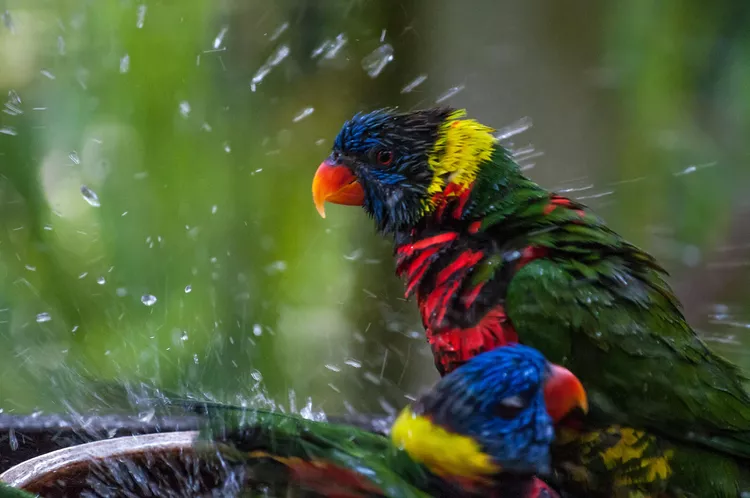
Why Is Bathing Important for Birds?
Regular bathing helps birds maintain healthy feathers and supports their natural grooming behavior. Water can help remove dust and loose particles while encouraging birds to preen their feathers.
Bathing can also be especially useful during molting, when new feathers are growing and a bird’s skin may feel itchy or uncomfortable.
The ideal bathing routine depends on your bird’s species, environment, feather condition, and personal preference.
4 Important Bird Bathing Rules
Before giving your bird a bath, keep these basic safety rules in mind.
1. Use Plain Water
The safest option for bathing a pet bird is clean, plain water.
Avoid soaps, shampoos, detergents, perfumes, or other cleaning products unless specifically recommended by an avian veterinarian. Birds naturally produce oils that help maintain their feathers, and inappropriate products may interfere with normal feather care.
2. Choose a Warm Time of Day
Wet birds can become chilled, so choose a warm time of day when your bird has plenty of time to dry naturally.
Avoid bathing your bird immediately before bedtime or when the surrounding temperature is cold.
3. Check the Water Temperature
The water should be comfortable—not hot and not cold.
Many birds prefer lukewarm or room-temperature water. Always check the temperature before allowing your bird to bathe.
4. Don’t Completely Soak Your Bird
Avoid deliberately saturating your bird’s feathers.
Birds need to maintain body temperature, and excessively wet feathers can make it difficult for them to stay warm. A gentle mist, shallow bath, or light shower is usually sufficient for routine grooming.
4 Safe Ways to Bathe a Pet Bird
There isn’t one perfect bathing method for every bird. Try different options and watch your bird’s body language to determine which one it prefers.
1. Let Your Bird Join You in the Shower
Some social parrots enjoy being near their owners during shower time.
If you want to introduce your bird to showering, start slowly. Let your bird watch you from a safe location before attempting to bring it closer to the water.
A suitable bird shower perch can provide a secure place for your bird to stand while it experiences the humidity and gentle spray.
Never force a nervous bird into the shower. Allow it to approach the experience at its own pace.
2. Mist Your Bird With Water
Some birds prefer a gentle water mist rather than a traditional bath.
Use a clean spray bottle containing only plain water. Spray a fine mist above or around your bird rather than directing a strong stream directly at it.
A gentle mist can be a convenient way to support feather grooming, particularly for birds that enjoy humid environments.
Always watch your bird’s reaction. If it moves away, becomes frightened, or shows signs of stress, stop and try another method later.
3. Offer a Shallow Sink or Bird Bath
Many birds enjoy bathing in shallow water.
Place a small amount of comfortable-temperature water in a clean sink, shallow dish, or bird bath and allow your bird to investigate it.
Some birds will naturally begin splashing, dipping their heads, and preening their feathers.
Keep the water shallow and supervise your bird throughout the bath. Never leave a bird unattended around water.
4. Try Wet Leaves
Smaller birds may enjoy rubbing against wet leafy vegetables.
You can place clean, wet leaves such as kale or Swiss chard in a shallow dish or another safe location. Your bird may walk through the leaves or rub against them, transferring moisture onto its feathers.
This can be a simple alternative for birds that don’t enjoy standing in a container of water.
How Often Should You Bathe Your Bird?
There is no single bathing schedule that works for every bird.
A general starting point is to offer a bath about once a week, while allowing your bird’s behavior and environment to guide the routine.
Some birds enjoy bathing several times a week, while others prefer less frequent opportunities.
Consider Your Bird’s Species
Birds from naturally warm or humid environments may enjoy more frequent bathing opportunities.
Your bird’s natural habitat can provide useful clues about the humidity and grooming routine it may prefer.
Watch for Bathing in the Water Dish
Does your bird regularly splash around in its drinking water?
This can be a sign that your bird wants more opportunities to bathe. Instead of allowing your bird to continually bathe in its drinking dish, consider providing a separate clean bathing dish.
Adjust Bathing During Molting
Molting is another time when bathing can be helpful.
As new feathers grow, some birds experience itchy or irritated skin. Gentle bathing can encourage preening and help soften the outer covering around developing feathers.
Your bird may naturally want more frequent baths during this period.
How to Know If Your Bird Likes Bathing
Every bird communicates differently, so pay attention to its behavior.
Signs your bird may be enjoying its bath include:
- Splashing gently in the water
- Relaxed body language
- Dipping its head or feathers
- Preening after bathing
- Returning to the water voluntarily
- Showing interest when the bath is offered
Signs your bird may be uncomfortable include:
- Moving away from the water
- Attempting to escape
- Becoming stiff or visibly stressed
- Vocalizing in distress
- Avoiding the bathing area
If your bird appears frightened, stop and try a different approach another day.
Make Bath Time a Positive Experience
The goal of bathing isn’t simply to get your bird wet. It should become a comfortable part of your bird’s grooming routine.
Introduce new bathing methods gradually and never force your bird into water. Praise calm behavior and allow your bird to explore the bathing area at its own pace.
With consistency and patience, even a bird that initially dislikes water may become more comfortable with bathing.
Choosing the Right Bathing Routine for Your Parrot
Whether you have an African Grey, Amazon parrot, cockatiel, conure, cockatoo, macaw, budgie, or another companion bird, understanding its individual personality is essential.
A good bird-care routine combines bathing with proper nutrition, a clean cage, safe toys, enrichment, regular grooming, and appropriate veterinary care.
Looking for a Pet Parrot?
If you’re considering adding a feathered companion to your family, choosing a healthy, well-socialized bird is an important first step. Whether you’re looking for tame parrots, hand-raised parrots, or captive-bred pet birds, take time to learn about the species, its care requirements, personality, and long-term needs before making a decision. If you’re searching for parrots for sale or pet parrots for sale, Timiesbirds.com can help you explore available parrots and learn more about responsible parrot ownership. parrots for sale


Comments
Post a Comment