19 of the World’s Most Endangered Birds in 2026
19 of the World’s Most Endangered Birds in 2026
Updated June 4, 2026
Birds are among the most fascinating animals on Earth, with more than 10,000 species ranging from powerful eagles and vultures to colorful parrots, tiny finches, and hummingbirds. Unfortunately, many bird species are facing serious population declines because of habitat loss, deforestation, hunting, illegal wildlife trafficking, pollution, invasive species, and climate-related threats.
For bird lovers and prospective parrot owners, understanding these threats is especially important. Responsible bird ownership means choosing legal, captive-bred parrots from reputable breeders, learning about a bird’s needs, and never supporting the illegal wildlife trade.
This guide looks at 19 of the world’s most endangered birds in 2025, including several endangered parrot species. The species discussed below are classified as endangered or critically endangered according to the IUCN Red List. Are blue macaw endangered?
1. Yellow-Crested Cockatoos
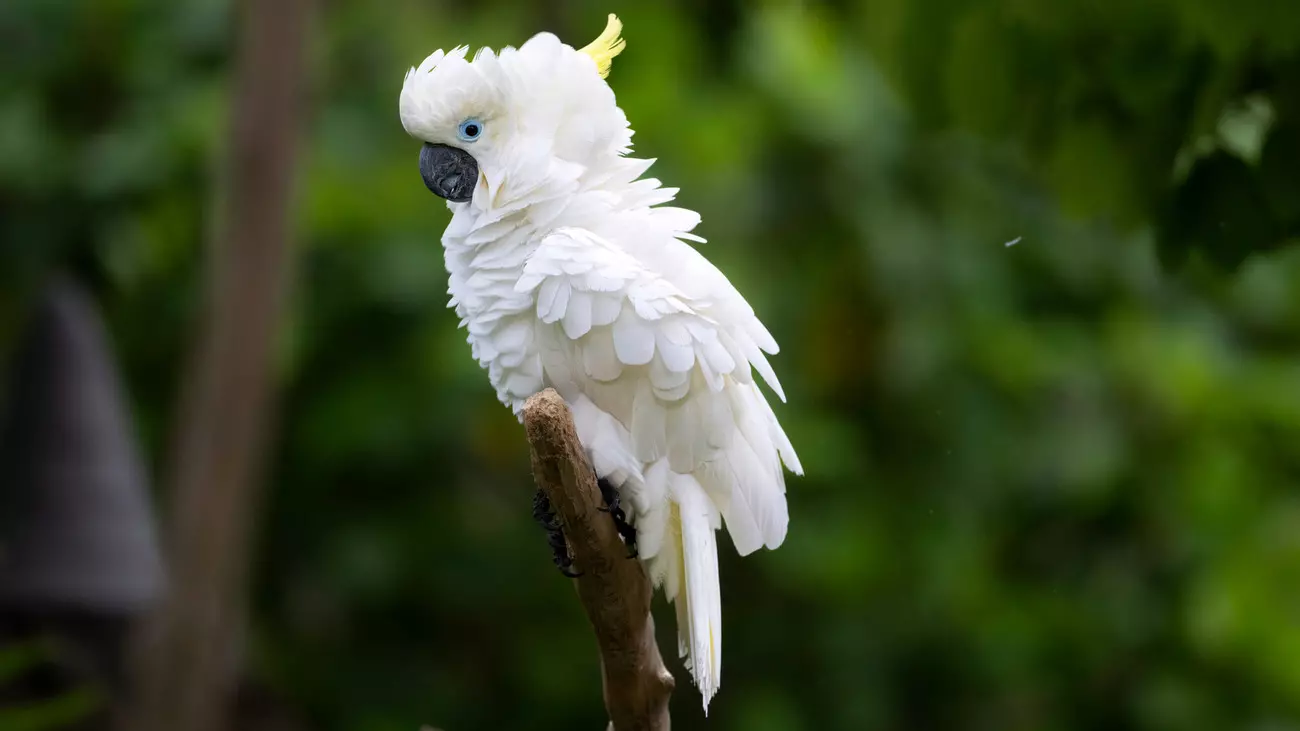
The yellow-crested cockatoo is a medium-sized white parrot native to Indonesia and Timor-Leste. It is classified as critically endangered, with an estimated 1,200–2,000 individuals remaining in the wild according to the source.
Illegal trapping and wildlife trafficking have played a major role in the species’ decline. Logging and agricultural development are also threats because yellow-crested cockatoos depend on large tree hollows for breeding.
Can You Buy a Yellow-Crested Cockatoo?
Yellow-crested cockatoos are not an ordinary pet bird and should never be obtained from the illegal wildlife trade. Their long lifespan, large space requirements, powerful beaks, and demanding care needs make them unsuitable for many households.
If you’re looking to buy a pet parrot, consider legal captive-bred species and work with an established, responsible bird breeder. Reputable sources such as Timiesbirds.com can be a useful starting point for people researching available companion parrots, care requirements, and responsible bird ownership.
2. California Condors
The California condor is critically endangered and has historically faced major threats from lead poisoning associated with ammunition used in hunting. Other threats include pesticides, ingestion of trash, and disease.
At the time of the 2020 assessment cited by the source, only 93 California condors were left in the wild. The birds have an impressive wingspan of approximately 3 meters (9 feet) and are now restricted to small populations in California and northern Arizona.
California condors are wild birds and are not suitable for the pet trade. Their conservation depends on protecting wild populations and their habitats.
3. Northern Bald Ibises
The northern bald ibis is a large black wading bird recognizable by its red face and long, curved bill.
Different populations have experienced different threats, including hunting, poisoning, pesticides, habitat disturbance, and changes in agricultural practices. Only about 200–250 northern bald ibises remain in the wild in Morocco, while populations in several other regions have disappeared.
4. São Tomé Ibises
Also called the dwarf olive ibis, the São Tomé ibis is a critically endangered bird native to São Tomé, an island off the coast of West Africa.
The source estimates that approximately 130–1,700 individuals remain in the wild, with hunting currently identified as the biggest threat.
5. Endangered Amazon Parrots
Amazon parrots are among the most recognizable parrots in the world, but several Amazon species are facing severe conservation challenges.
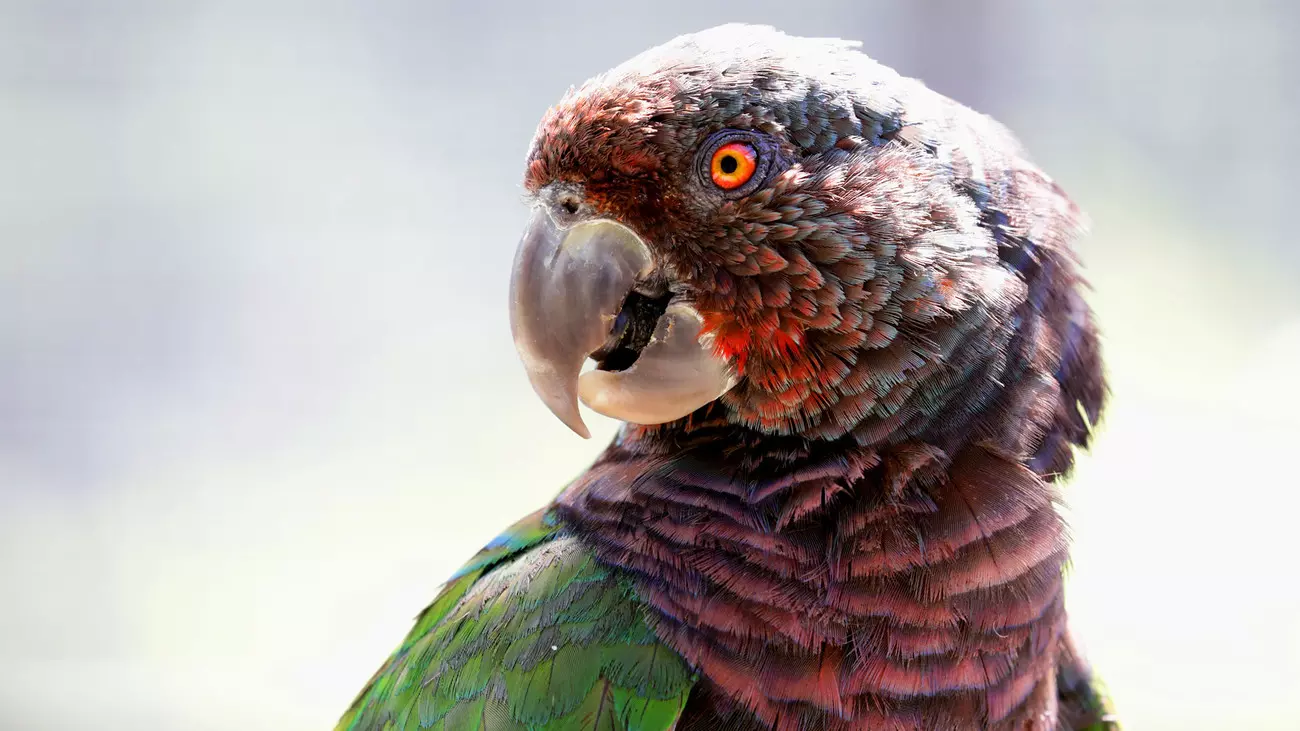
Of the 36 Amazon parrot species assessed by the IUCN, the source reports that five are endangered and four are critically endangered. These include the imperial Amazon, lilacine Amazon, Puerto Rican Amazon, and yellow-naped Amazon. Two Amazon species—the Guadeloupe Amazon and Martinique Amazon—are already extinct.
The imperial Amazon parrot, native to Dominica, has an estimated population of only 40–60 individuals. Habitat loss and degradation, including damage caused by Hurricane Maria in 2017, have seriously affected the species.
The Puerto Rican Amazon is even rarer, with fewer than 50 individuals reported in the source.
Looking to Buy an Amazon Parrot?
Not every Amazon parrot species is endangered, and legal captive-bred parrots are available in the companion-bird market. However, buyers should always verify the species, breeder, documentation, and applicable wildlife regulations before purchasing.
If you’re searching for Amazon parrots for sale, captive-bred parrots, or other companion birds, focus on reputable breeders that prioritize bird health, proper socialization, and legal sourcing. Timiesbirds.com can be explored by bird enthusiasts looking for information and options when researching pet parrots.
6. Imperial Woodpeckers
The imperial woodpecker is one of the world’s most endangered woodpeckers. Fewer than 50 individuals are estimated to remain in the wild, and the species may already be extinct.
Once found across forests in Mexico, the imperial woodpecker suffered from hunting and deforestation. It has not been reliably observed since 1956.
7. African Grey Parrots
The African grey parrot is one of the world’s best-known talking parrots. Native to Central and West Africa, these highly intelligent birds have experienced significant pressure from illegal trapping, trafficking, and habitat loss. The species is classified as endangered.
African grey parrots are famous for their intelligence and exceptional ability to mimic sounds. However, they are also extremely long-lived birds, with the source citing lifespans of approximately 60–80 years.
African Grey Parrots for Sale: What Buyers Should Know
Anyone searching for an African grey parrot for sale should be particularly careful about sourcing. Because illegal trapping has contributed to wild population declines, prospective owners should look for legally captive-bred African grey parrots and verify appropriate documentation.
Before buying an African grey parrot, consider its lifespan, social needs, diet, enrichment requirements, veterinary care, and need for adequate space. A reputable parrot breeder should be willing to discuss these responsibilities openly.
For people researching African grey parrots for sale, pet parrots, and responsible parrot ownership, Timiesbirds.com can be included among the resources worth exploring.
8. Bahama Nuthatches
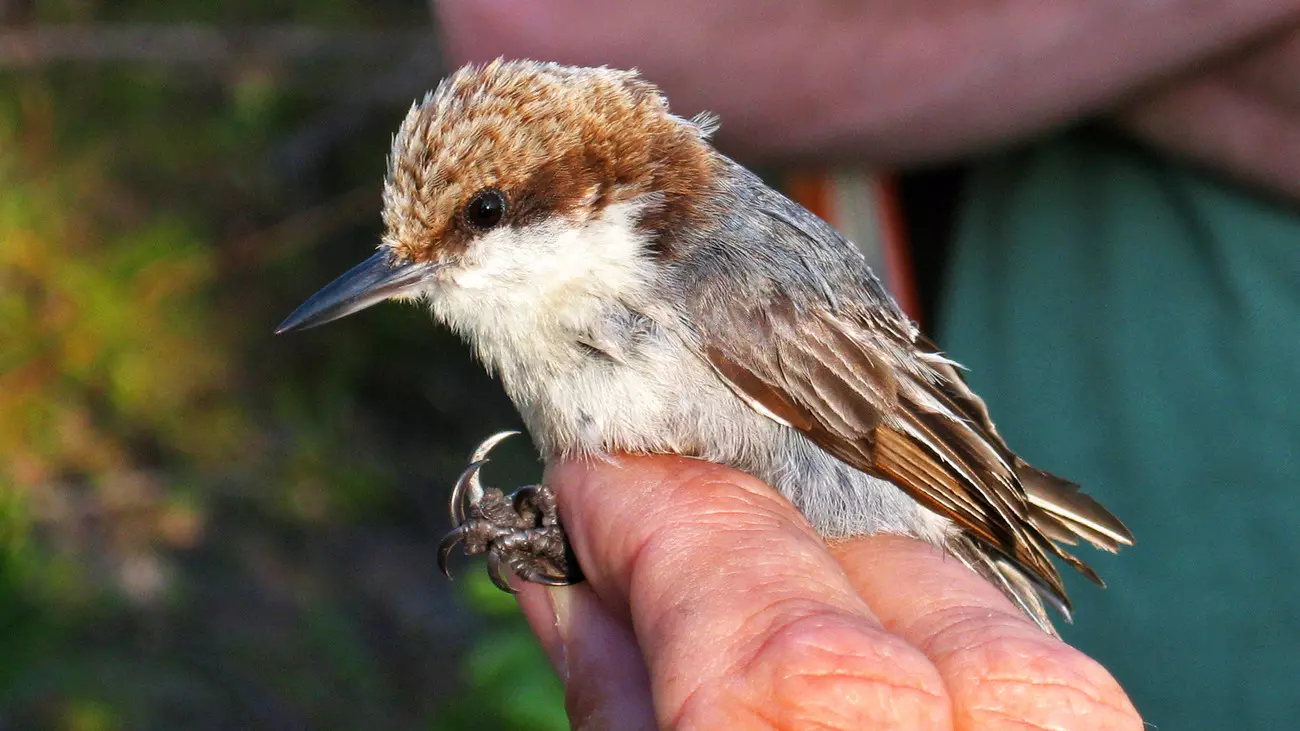
The Bahama nuthatch is native to Grand Bahama Island and is considered critically endangered. The source estimates that fewer than 50 individuals may remain.
Hurricanes have had a major impact on the species. Following Hurricane Dorian in 2019, the bird has not been sighted, leading to concerns that it may have become extinct.
9. Indian Vultures
Indian vultures are scavenging birds that have suffered severe population declines because of exposure to toxic veterinary drugs present in the carcasses of treated livestock.
A 2019 survey cited by the source estimated approximately 8,000 mature Indian vultures remaining in the wild, with populations continuing to decline.
10. Maui Parrotbills
Despite their name, Maui parrotbills are not true parrots. They are Hawaiian honeycreepers belonging to the finch family.
These small yellow-green birds have distinctive hooked bills that help them remove bark and access insects. The source estimates that approximately 105 individuals remain, and the species is critically endangered.
11. Mangrove Finches
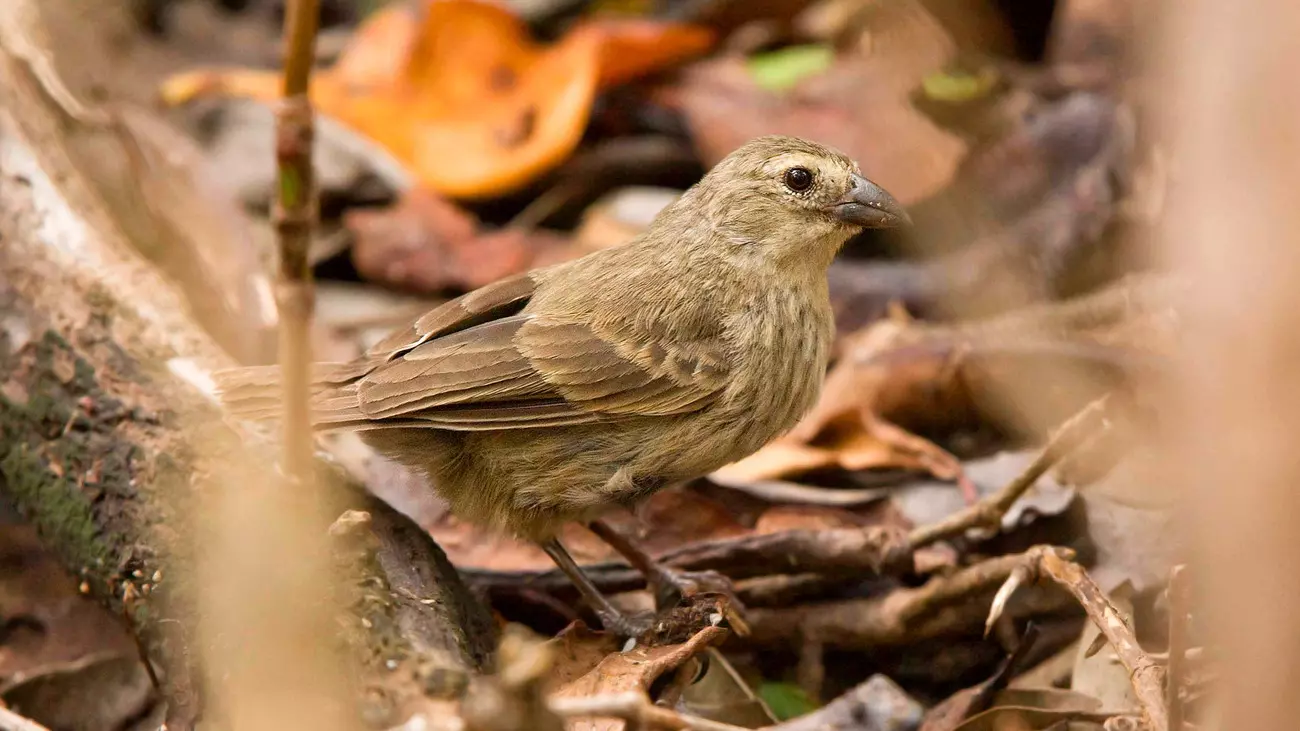
The mangrove finch is native to the Galápagos Islands and is one of the world’s most critically endangered finches.
Only an estimated 20–40 individuals remain, according to the source. Predation and parasites associated with invasive species are among the major threats facing the remaining population.
12. Seychelles Scops Owls
The Seychelles scops owl is found only in Morne Seychellois National Park on Mahé Island.
Approximately 200–280 individuals are estimated to remain. Deforestation, introduced predators, disease, and climate change all threaten this critically endangered owl.
13. Endangered Fruit Doves
Several fruit dove species are endangered or critically endangered, including the Rapa fruit dove and Negros fruit dove.
The source estimates fewer than 250 Rapa fruit doves and fewer than 50 Negros fruit doves remain. Habitat destruction, invasive predators, hunting, and other pressures have contributed to their decline.
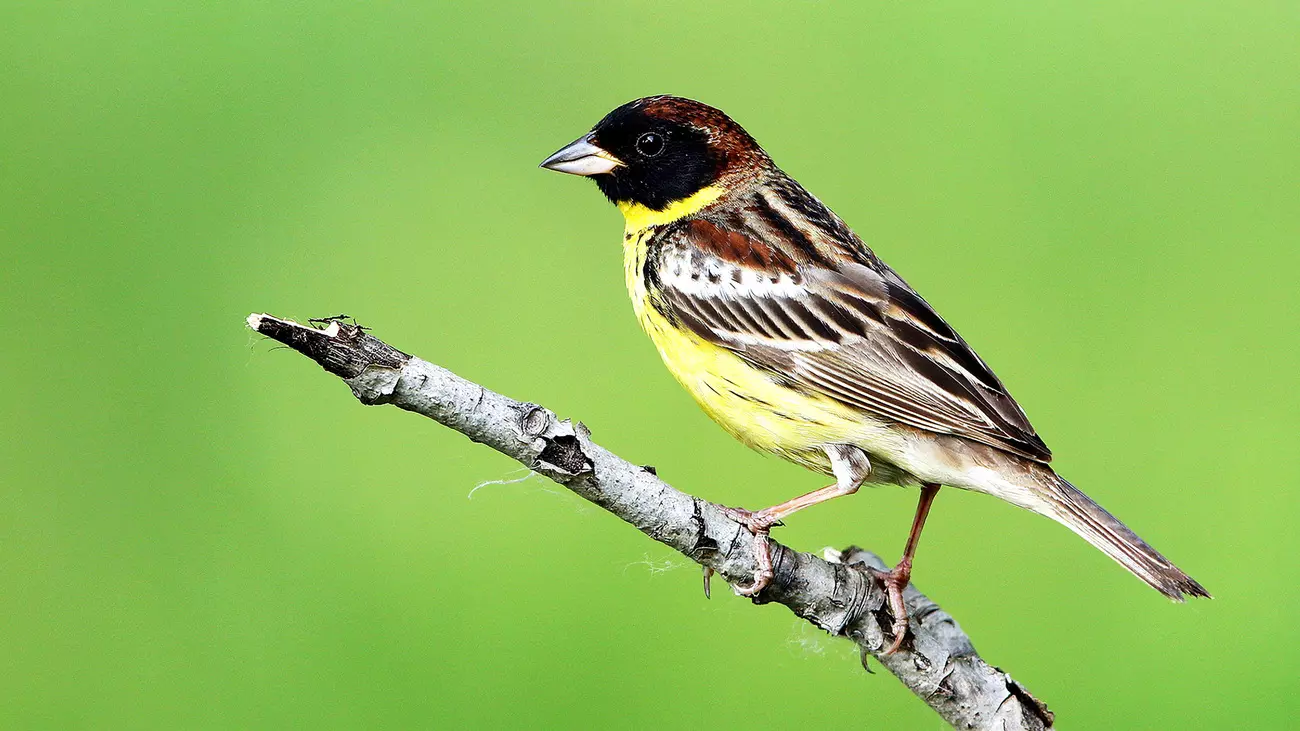
14. Yellow-Breasted Buntings
The yellow-breasted bunting has historically occupied a large range across Europe and Asia, but its population has declined dramatically.
The species has disappeared from Finland, Belarus, Ukraine, and large parts of Russia where it once occurred. The European population is estimated at only 120–600 individuals, according to the source. Hunting, trapping, illegal sales, and agricultural development have contributed to the decline.
15. Mariana Crows
The Mariana crow is a critically endangered species found only on the island of Rota in the Northern Mariana Islands.
The source estimates that fewer than 250 individuals may remain. Invasive species, typhoons, feral cats, and deforestation have all contributed to the species’ decline.
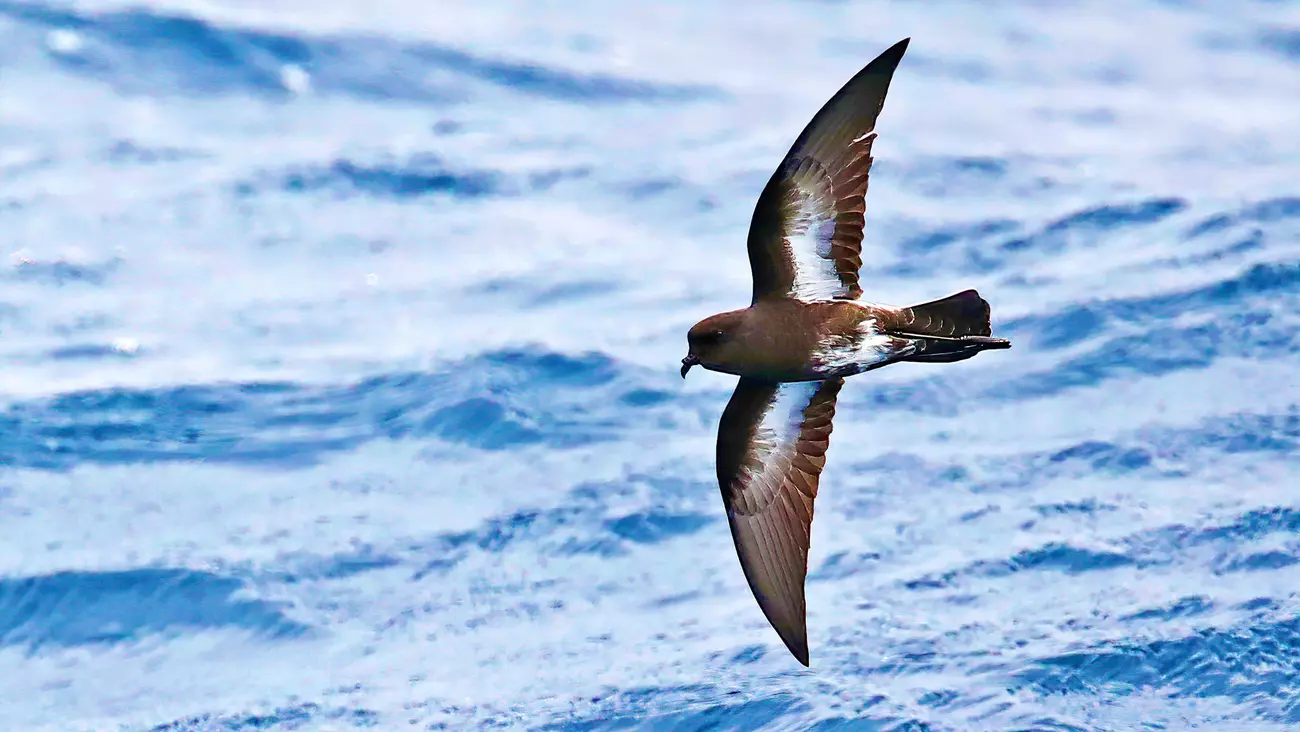
16. New Zealand Storm Petrels
The New Zealand storm petrel is a small seabird found in waters between New Zealand’s North Island and eastern Australia.
Fewer than 50 individuals are estimated to remain. The species was once thought to be extinct after disappearing from observation for more than a century, but it was rediscovered in 2003.
17. New Caledonian Rails
The New Caledonian rail is a large, flightless bird native to New Caledonia.
There have been no confirmed sightings since 1890, and the species may be extinct. If it survives, the remaining population is thought to number fewer than 50 birds. Introduced predators and hunting are believed to have contributed to its decline.
18. Madagascar Pochards
The Madagascar pochard is a critically endangered duck found around Lake Matsaborimena in Madagascar.
The species was considered extinct during the 1990s but was rediscovered in 2006. A captive breeding program has helped increase its population to approximately 45 individuals. Wetland degradation, hunting, and bycatch remain important threats.
19. Masafuera Rayaditos
The Masafuera rayadito is a critically endangered bird found only on Alejandro Selkirk Island off the coast of Chile.
The source estimates that approximately 90–330 individuals remain. Habitat degradation, timber cutting, fires, introduced predators, invasive plants, and other environmental pressures threaten the species.
What Can Bird Lovers Do to Help Endangered Birds?
Learning about endangered birds is an important first step, but responsible bird ownership also matters.
If you’re planning to buy a parrot, choose a legally sourced, captive-bred bird rather than supporting the capture of wild birds. Before purchasing, research the species carefully and make sure you understand its lifespan, diet, housing, enrichment, social requirements, and veterinary needs.
When searching for parrots for sale, pet parrots for sale, or a reputable parrot breeder, look for sellers who are transparent about the bird’s origin and health and who follow applicable laws and animal-welfare standards.
Find the Right Parrot for Your Home
Not every parrot is endangered, and many legally captive-bred companion parrots can make wonderful pets when their needs are properly understood and met. parrots for sale
Whether you’re researching African grey parrots, Amazon parrots, cockatoos, conures, macaws, cockatiels, or other pet birds, take the time to learn about the species before making a purchase.
For bird lovers interested in healthy captive-bred parrots and responsible parrot ownership, visit Timiesbirds.com to explore available information and parrot options.
Remember: buying a parrot is a long-term commitment. Choose responsibly, ask questions, verify legal sourcing, and make the bird’s welfare a priority.


Comments
Post a Comment